
Box Elder Water Master Plan
Executive Summary
BACKGROUND
Box Elder County initiated this Water Master Plan in response to a need for coordinated, county-wide water management including cooperation with land use planners and water resource planners. Planning was organized across seven regions to reflect local conditions. The process integrated local knowledge through over 50 interviews and multiple regional meetings with planners, municipalities, irrigation systems, private systems, and environmental groups.
The Master Plan process included identification of actions for local systems to consider as part of the regional plans. It also included an evaluation and development of a list of recommended regional actions and a list of recommended countywide actions.
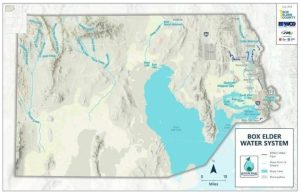
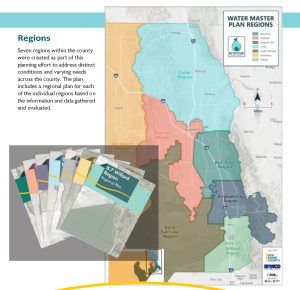
REGIONS
Seven regions within the county were created as part of this planning effort to address distinct conditions and varying needs across the county. The plan includes a regional plan for each of the individual regions based on the information and data gathered and evaluated.
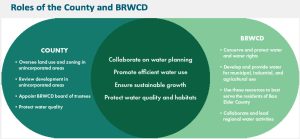
Roles of Water Users In The Plan Process
The Plan unites Box Elder County, BRWCD, municipalities, private systems, irrigation companies, and environmental partners to align land use and water planning.
Box Elder County and BRWCD operate as distinct entities with separate governance structures, yet their missions often intersect, particularly in the realm of water resource management and sustainable development. The County oversees land use and development in unincorporated areas, ensuring that growth aligns with zoning ordinances and long-term infrastructure planning. Meanwhile, BRWCD focuses on conserving, developing, and supplying water for municipal, industrial, and agricultural needs across the county. Both entities collaborate on water planning initiatives, promote efficient water use, and work to ensure that development occurs sustainably. This cooperative relationship is essential for balancing growth and meeting the evolving needs of Box Elder County’s residents.
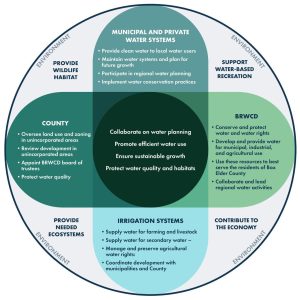
Roles of Water Users
Municipal and private drinking water systems maintain infrastructure and plan for future drinking water needs. The county’s irrigation systems play a vital role in supporting agriculture, preserving water rights, and coordinating with municipalities to balance urban development with farming needs. Environmental water needs are also a priority especially for sustaining habitats, recreation, and the local economy.
Overall, successful water management in the county depends on collaboration among the county, BRWCD, municipalities, private systems, irrigation companies, and environmental stakeholders to promote sustainable growth and protect vital water resources.
1. Engaged Stakeholders – Goal: Build shared understanding and trust through broad participation with communities and stakeholders.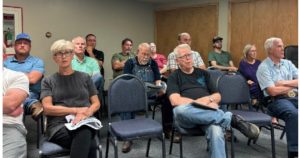
The planning team launched a countywide engagement process—It was an essential priority, as part of a Water Master Plan to meet the needs of all users, to engage as many different water users as possible across the entire county to fully understand the challenges and needs facing each of them.
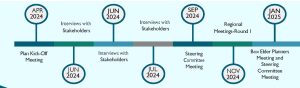
Plan Kick-off Meeting
The Master Plan process began with a Plan Kickoff Meeting designed to gather initial input from a diverse audience of stakeholders across the county. The goal of this meeting was to introduce the planning process, define the scope, and begin identifying the most pressing water issues and concerns across the County.
Created a Steering Committee
The Steering Committee was established as a core working
group to guide the Master Plan process and ensure that key entities were represented in decision-making. Its primary purpose was to provide essential technical expertise, political support, and direction throughout the planning effort, ensuring the final recommendations were informed and broadly supported.
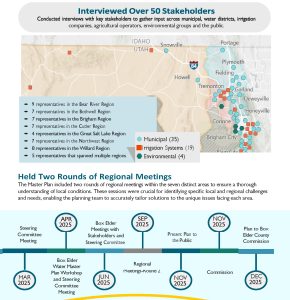
Held Two Rounds of Regional Meetings
The Master Plan included two rounds of regional meetings within the seven distinct areas to ensure a thorough understanding of local conditions. These sessions were crucial for identifying specific local and regional challenges and needs, enabling the planning team to accurately tailor solutions to the unique issues facing each area.
2. Collected & Analyzed Information – Goal: Understanding existing and future water supplies throughout the county
To establish a shared understanding of current and future conditions, the team analyzed population growth, water supply and demand, infrastructure capacity, water rights, and conservation potential. Growth hot spots and resource gaps were mapped to inform each region’s strategy.
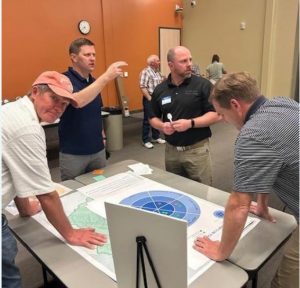
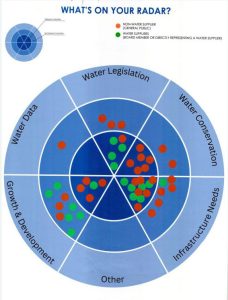
RADAR Exercise
The RADAR Exercise was an activity held during the Public Kick-off Meeting where attendees placed dots on specific categories to provide their input on the concerns and priorities facing their respective regions. The outcomes of this exercise were vital, as they helped guide the subsequent development of stakeholder interview questions, regional meeting agendas, and the criteria used in the prioritization matrix.
Met with Community Planners
As an integral part of the planning process, the team held meetings with community planners from across the county. This was essential to ensure that the Master Plan’s water strategies were fully integrated and aligned with existing and future land use and development goals outlined in municipal and county general plans.
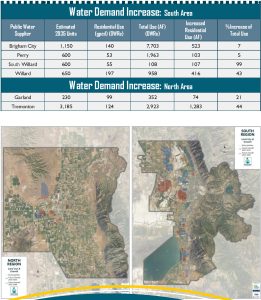
Analyzed Growth
The team dedicated time to analyze future growth projections and development trends across the county, which is a necessary step for any long-range infrastructure plan. By understanding where and how the population is expected to expand, the Master Plan could accurately forecast future water demand and ensure that strategies for supply and infrastructure could support this anticipated expansion.
3. Evaluated Actions & Strategies – Goal: Identify and prioritize actions and strategies for long term county-wide water management
Best Management Practices (BMPs) were translated into candidate actions and scored with a multi-objective framework. This process prioritized actions with the highest shared benefit.
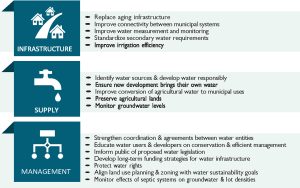
- Infrastructure Improvements: Upgrade critical facilities, improve irrigation efficiency, and expand data monitoring networks.
- Water Supply & Rights Management: Identify and responsibly develop new sources; require new development to bring water; support conversion of
agricultural water where feasible; monitor groundwater trends. - Water Management & Education: Strengthen inter-entity coordination; educate water users and developers; inform the public on legislation; align land use with water availability; monitor septic impacts.
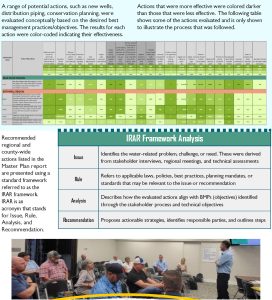
4. Developed A Recommended Action Plan – Goal: Deliver a coordinated roadmap of regional and county-wide actions for sustained, adaptive implementation
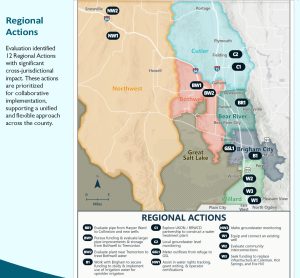
County-Wide Actions
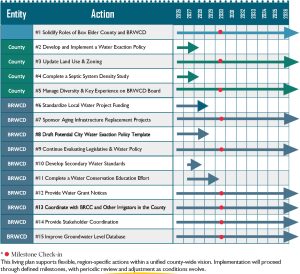
In addition to the Regional Actions, the evaluation identified a separate category of county-wide actions that possess a broader scope of impact across multiple regions. These crucial actions were assigned to either Box Elder County or the BRWCD to lead, recognizing their roles as the foundational partners in county-wide water governance and ensuring that the most impactful projects are implemented at the highest level of coordination.
Click here to download the complete Water Master Plan
In early 2021 BRWCD held Regional Drought Planning Meetings with the Public Water Suppliers in the County. The results of these meetings has been published in the following Drought Resiliency Plan and will become a chapter in the District’s Master Plan.
Click here to view the Drought Resiliency Plan 10-2021
As required by Utah Code 73-10-32 a water conservancy district must update its Water Conservation Plan every 5 years. This Plan was updated in 2021.
Click here to view the BRWCD Conservation Plan 2021 Update